App Store Review - Quick History
Long App Store review waits feel especially odd in 2026 because they are supposed to be much shorter now. Back in 2010 to 2015, waiting 7 to 14 days for review was fairly normal, and developers often planned launches around that delay. Today, most submissions are expected to move much faster, so when an app sits in “Waiting for Review” for a week or more, it feels less like a normal queue and more like something has stalled.
That changed dramatically arond mid 2016. Reviews became much faster, often closer to a one day process instead of a week long wait. After 2019, in my experience, many submissions were reviewed within hours. The shift was so noticeable that AppReviewTimes.com, a site that developers used to check average review delays, was eventually taken down because it was no longer useful. In simple terms, App Store review had become fast and very much predictable.
How did AI Chat bots and Coding Agents Affect the App Store Review Times
Then another factor entered the picture after 2023: AI chatbots and coding agents. It became much easier for people to build apps, generate code, clone ideas, push quick updates, and submit projects that wuld have taken much longer before. That does not mean every AI-assisted app is low quality (Ai Slop), but it does mean Apple has had more submissions to deal with. Apple’s own transparency reports show the increase clearly: App Store submissions reviewed rose from about 6.1 million in 2022 to 6.9 million in 2023, 7.8 million in 2024, and more than 9.1 million in 2025. In simple terms, more people can build faster now, and the review queue has more coming at it.
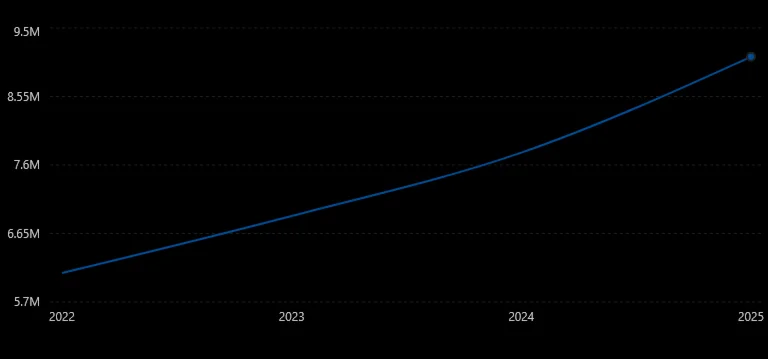
Now the question is how will the Apple respond to this demand?
How Apple Reacted to increase in submissions?
My theory is that Apple knows parts of the review system have slowed down, but instead of letting the slowdown affect everyone at once, it may be spreading that pressure across different developers and submissions over time. This comes from reports I have seen from many developers where the delay does not seem connected to the size of the update. It can be the same app with a small bug fix: one submission is reviewed quickly, the next one sits for days, and the one after that moves fast again.
That pattern makes it feel less like a permanent backlog and more like a rotating pool of affected developers or builds. Most developers still seem to have a normal review experience most of the time, but periodically, some get pulled into a slower manual lane. The frustrating part is that this does not only affect App Store releases. TestFlight review times can also get caught in the same slowdown, which makes it harder to test, fix, and ship quickly.
So Why Are Waiting For Review Times That Long in the App Store Today?
The most realistic answer is that App Store Review has not become slow for everyone. For most developers, it still works the way Apple says it does: submissions move through quickly, often within a day or two. But the experience is no longer as predictable as it used to be (at least what we see from the January 2026). Some developers are now hitting unusually long waits, even for small updates or TestFlight builds, and Apple gives very little visibility into why.
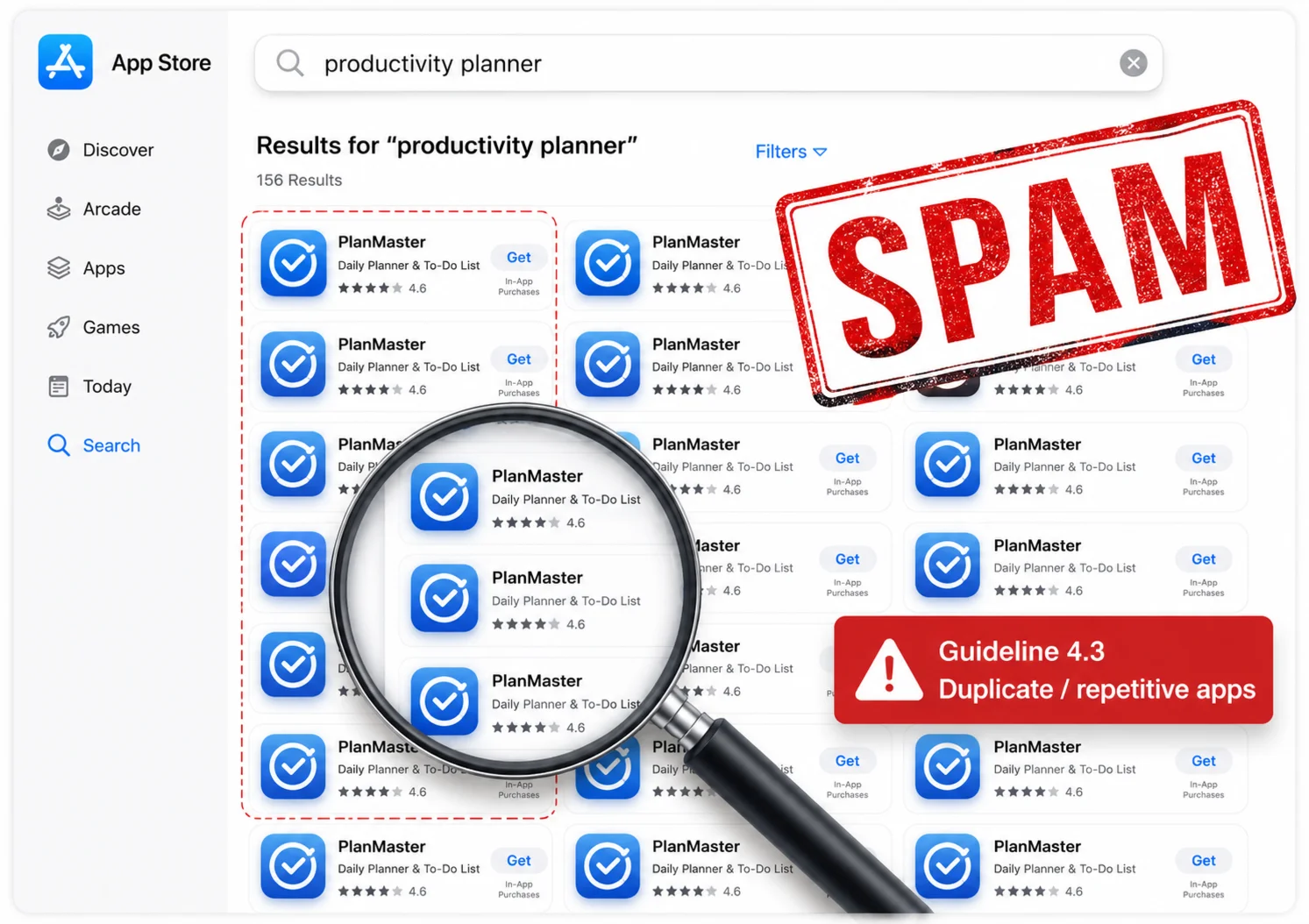
My view is that the App Store review system is under more pressure than before. AI tools have increased the number of apps, updates, clones, and experiments being submitted, while Apple still has to protect the store from spam, scams, privacy issues, and low-quality apps. To keep the average review time low, Apple may be distributing deeper manual reviews across different developers and submissions over time.
That means a long “Waiting for Review” status in 2026 does not always mean your app is broken, risky, or about to be rejected. Sometimes it may simply mean your build landed in the slower part of the system. For developers, the best approach is to plan releases with more buffer, avoid last-minute emergency submissions when possible, and accept that App Store Review has become fast for most submissions, but unpredictable for some.
Update:
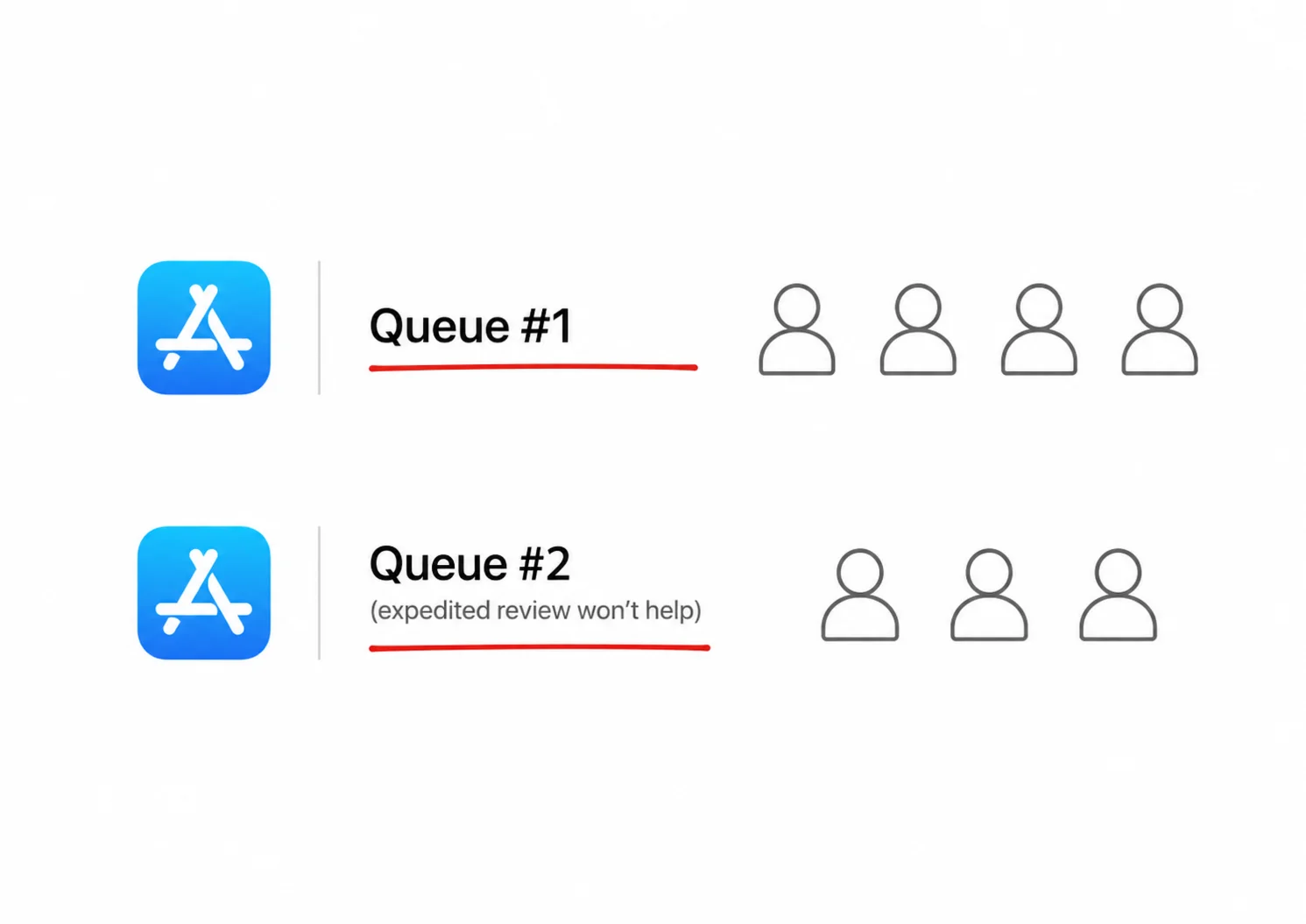
In the past month (from when I wrote the article), it happened to my client 2 times. It was around June 15 when he sent the app into the queue (Waiting for Review). After a few days he expedited the review and as expected it didn't work. As I mentioned, as soon as some time passes (aka safe timeline 24-48), there is high chance that the app went to slower lane and even expediting may not fix this issue. The app didn't go into review for the whole week. This is when we decided to contact Apple. Strangely it went into review in a matter of few hours after contacting Apple. Coincidence? Probably.
The second time he sent an app update was around July 2. Same story.. he waited for 5 days, crickets. Meanwhile I needed to update my own app and did this - it went into the review after a matter of a few hours and approved soon later.
We decided to write an Email to Apple once again - after we did this, it went into review in the next 24 hours. Coincidence? Hmm maybe.. but i'm starting to think that E-mails have some effect, although not yet proven.