Before “vibe coding” became a popular term, developers were already using tools that helped them write code faster. IDEs have offered autocomplete, templates, error detection, refactoring tools, and code generation features for years. Developers also rarely write everything from scratch. They use open-source libraries, frameworks, SDKs, and code shared on platforms like GitHub to build apps more efficiently.
So the idea that an app is “not real” because some of the code was assisted, generated, reused, or suggested by a tool is not new. Modern AI coding tools are a bigger leap, but they are still part of a long history of developers using better tools to create software.
Then 2023 and 2024 changed the pace completely.
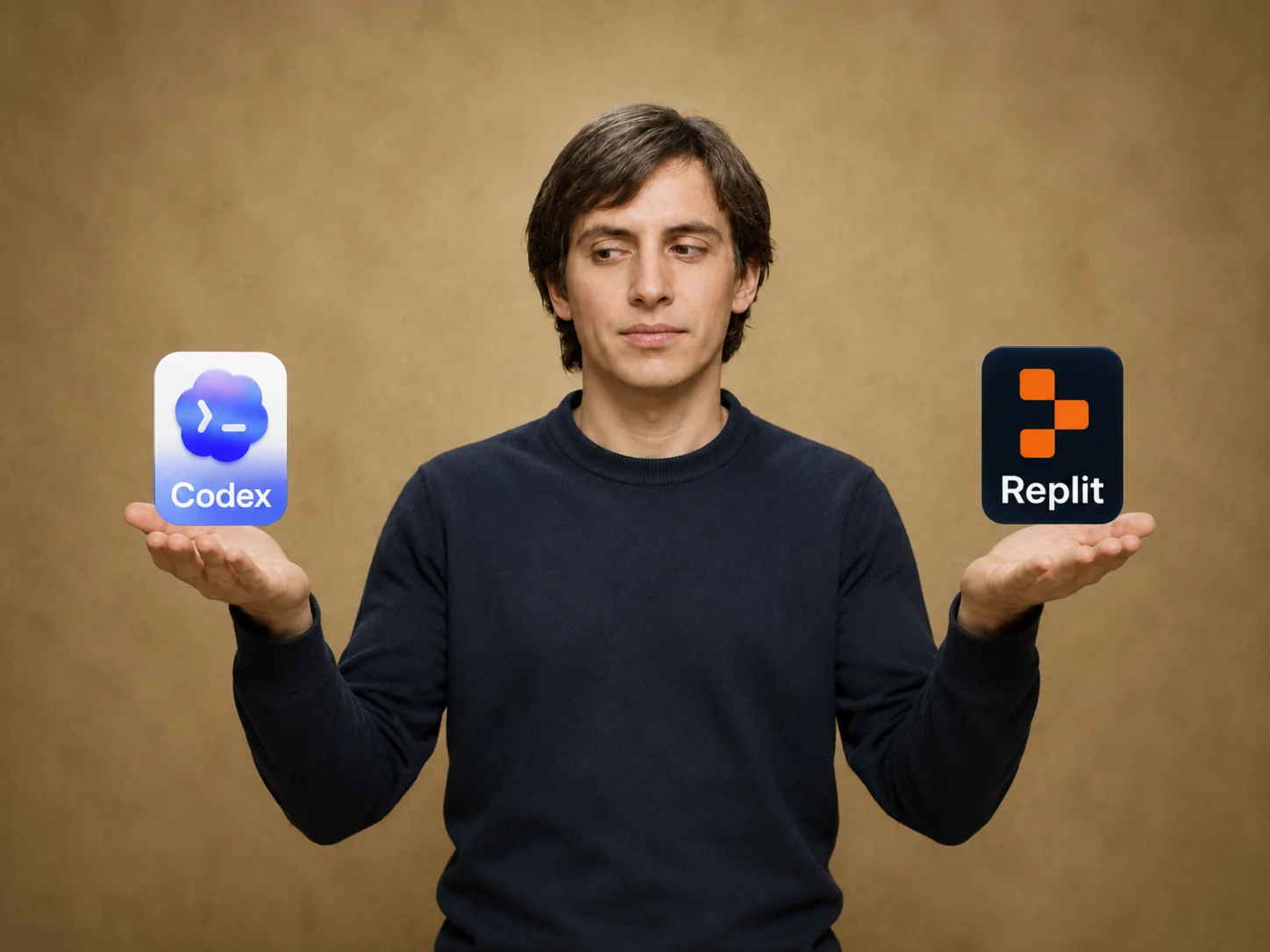
AI coding tools started moving from “nice assistant” to something much bigger. Instead of only suggesting a line of code, tools began helping developers plan features, generate files, fix bugs, explain errors, and even build entire prototypes from a prompt. Platforms and tools like Replit, Lovable, Vibecode, Codex, Cursor, and Claude Code made software development feel more accessible to people who were not traditional programmers.
This is where the fear around vibe-coded apps comes from. If AI can help generate large parts of an app, people naturally wonder whether Apple sees that code differently. But from an App Store review perspective, the important question is still not how the code was written. The important question is what the submitted app does after Apple reviews it.
That is why the recent stories about Apple rejecting vibe coded apps need some context. The rejections did not hit simple AI-built apps just because they were made with AI. They reportedly hit tools like Replit and Vibecode and similar, which let users build, preview, and run software from inside the iOS app itself.
That creates a different App Store review problm: Apple says apps cannot execute code that changes app functionality after review.
Apple points to App Review Guideline 2.5.2, which says apps should be self-contained and may not “download, install, or execute code” that introduces or changes the app’s features or functionality after review.
So the issue is not “does Apple reject vibe coded apps?” in general. The issue is whether the app is a finished, reviewable product , or whether it acts like a runtime software builder that can create and run new functionality Apple never reviewed.
So, are vibe coded apps allowed on App Store? In most cases, yes. If you use Codex, Cursor, Claude Code or another AI coding tool to help you build the whole app before submission, Apple is not reviewing the app based on whether AI helped write the code. Apple is reviewing the finished product: what the app does, what functionality is included, and whether that functionality can be tested during App Review.
The short answer is yes: Apple allows vibe-coded apps on the App Store. Using Codex or a similar AI coding tool to build your app does not automatically make it against Apple’s rules. What matters is whether the final app you submit is self-contained, reviewable, and does not execute new unreviewed code after approval.